Bookshelf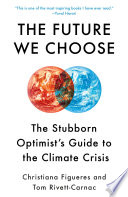
The Future We Choose
by Christiana Figueres, Tom Rivett-Carnac
- climatic changes
- environmental protection
- citizen participation
- forecasting
- social aspects
- environmental policy
Keep track of it on your own bookshelf.
Log in to add itAbout this book
The authors, Figueres and Rivett-Carnac--the architects of the 2015 Paris Climate Change Agreement, outline two possible scenarios for the planet. In one, what life on Earth will be like by 2050 if we fail to meet the Paris targets for carbon dioxide emission reduction. In the other, what it will take to create and live in a carbon neutral, regenerative world. They argue for confronting the climate crisis head on, and present what governments, corporations, and every person can and must do to fend off disaster.
"In this cautionary but optimistic book, Figueres and Rivett-Carnac--the architects of the 2015 Paris Climate Change Agreement--tackle arguably the most urgent and consequential challenge humankind has ever faced: the world's changing climate and the fate of humanity. In The Future We Choose, the authors outline two possible scenarios for the planet. In one, they describe what life on Earth will be like by 2050 if we fail to meet the Paris targets for carbon dioxide emission reduction. In the other, they describe what it will take to create and live in a carbon neutral, regenerative world. They argue for confronting the climate crisis head on, with determination and optimism. How we all of us address the climate crisis in the next thirty years will determine not only the world we will live in but also the world we will bequeath to our children and theirs. The Future We Choose presents our options and tells us, in no uncertain terms, what governments, corporations, and each of us can and must do to fend off disaster"--
Quotes by Christiana Figueres
From WikiquoteThose corporations that continue to invest in new fossil fuel exploration, new fossil fuel exploitation, are really in flagrant breach of their fiduciary duty because the science is abundantly clear that this is something we can no longer do.
“If we do not address climate change in a timely manner, it does not really matter what we do on human rights, on education or on health, because destruction on the planet will be so severe, everything else will fall by the wayside.”
Whatever we hold as being possible, and whatever values and principles we live by, determine the actions that we take.